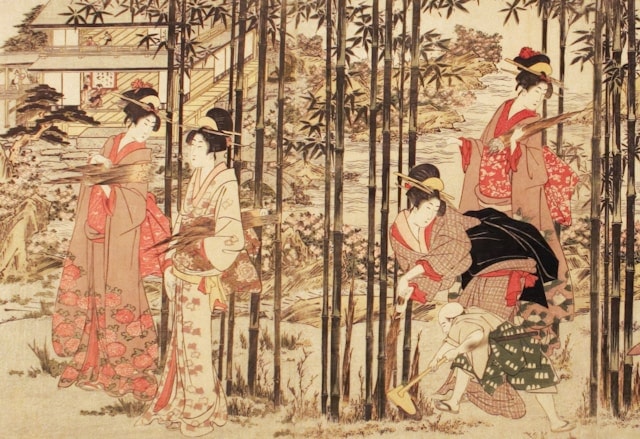
Japanese silk paintings, known as kakejiku when mounted as hanging scrolls, represent one of the most refined expressions of Oriental art. Created with sumi ink and mineral pigments on raw or processed silk, these works narrate centuries of Japanese aesthetics, from the Edo period to Meiji-era productions made for export.
Recognizing Authenticity
Before purchasing, it's essential to observe several distinctive elements: silk texture, brushstroke quality, and the presence of seals (hanko) or artist signatures. Antique silk tends to yellow evenly, while modern imitations often show overly regular weave patterns or colors too vivid for the claimed period.
Periods and Styles to Know
- Edo (1603-1868): landscapes, court scenes, naturalistic subjects with fluid brushwork
- Meiji (1868-1912): greater detail, Western influences, often intended for the European market
- Taishō and Shōwa: more experimental styles, transition toward modern Nihonga
Provenance plays a decisive role in valuation: scrolls with documented history, coming from known collections or accompanied by authenticity certificates, maintain higher and more stable market value over time.
Conservation and Mounting
An often underestimated detail is the original mounting: traditional kakejiku feature fabric borders (mizuhiki) and wooden rods (jikugi) that, when original and well-preserved, add historical value and authenticity to the work, while also facilitating proper display.
For those starting to collect, we recommend beginning with Meiji-period works, more affordable yet already representative of traditional techniques, before moving toward Edo pieces as critical judgment and market knowledge mature.