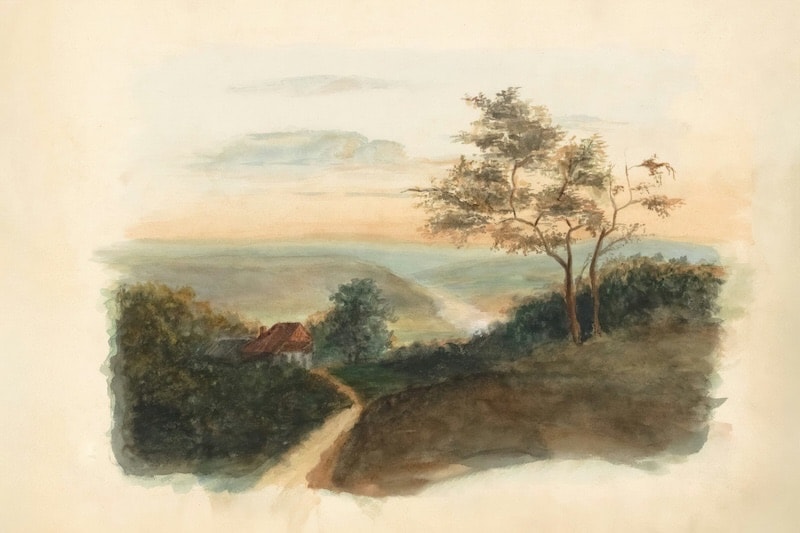
Every family attic or basement often hides a dark canvas, its frame chipped, with no legible signature in the bottom corner. The first instinct is to dismiss it as worthless clutter, a bulky memory to be tucked away in a corner. But the absence of a famous name doesn't mean the absence of history, or artistic quality.
Value That Doesn't Depend on a Signature
Many 18th and 19th century paintings circulated unsigned for practical reasons: they came from craft workshops, were the work of promising students, or the painter simply didn't feel the need to sign private commissions. This doesn't diminish their technical merit. On the contrary, these paintings often tell the taste and daily life of an era better than celebrated works, without the filter of fame.
A family portrait, a genre scene, a pastoral landscape: these are authentic fragments of social history, often more genuine than pieces destined for the official art market.
How to Recognize a Small Treasure
Some clues can guide anyone facing an anonymous painting:
- The type of canvas and frame, which reveal the period of creation
- The quality of pigments and brushwork, often more refined than expected
- Any labels on the back, gallery stamps or restorer's marks
- The compositional style, which may point to a regional painting school
An expert eye, perhaps that of a restorer or a small antique dealer, can make the difference between a mere decorative object and a piece with a story to tell. Even without certain attributions, the emotional and decorative value of these paintings remains intact: they are silent witnesses capable of enriching a space with the authenticity that only time can grant.
On Konbiny, these small treasures find a second life: not simply as collectible objects, but as fragments of family stories ready to intertwine with new homes and new tales.